SQL vs NoSQL: How to Choose the Right Database for Your Application
The database is one of the hardest parts of an application to change later. Here is how relational and NoSQL databases differ — and how to pick the right one for your project.
Choosing a database is one of the most consequential technical decisions in a software project. The application can be redesigned, but migrating data to a different kind of database later is expensive and risky. The first big choice is between relational (SQL) and NoSQL databases.
Relational (SQL) databases
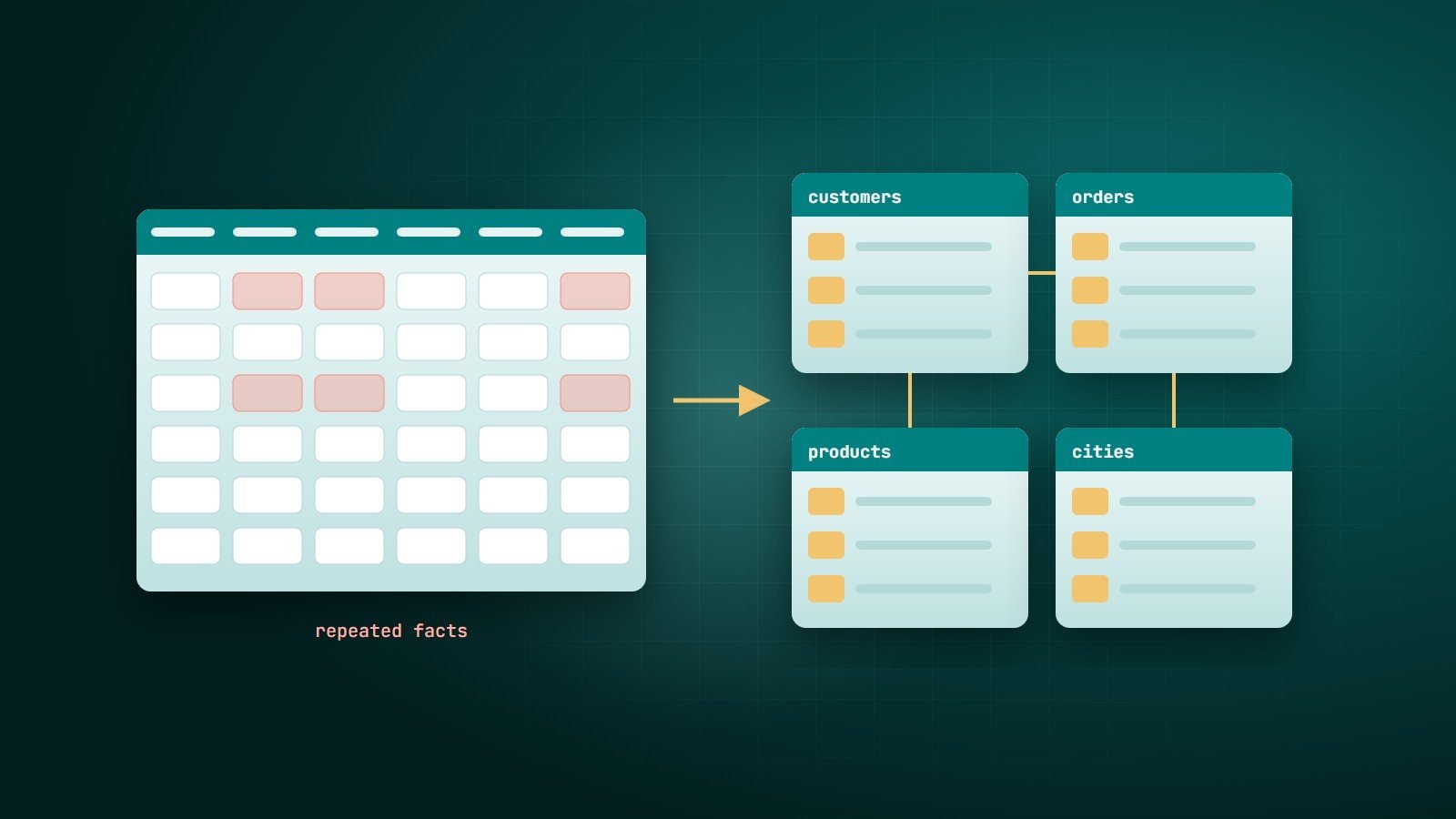
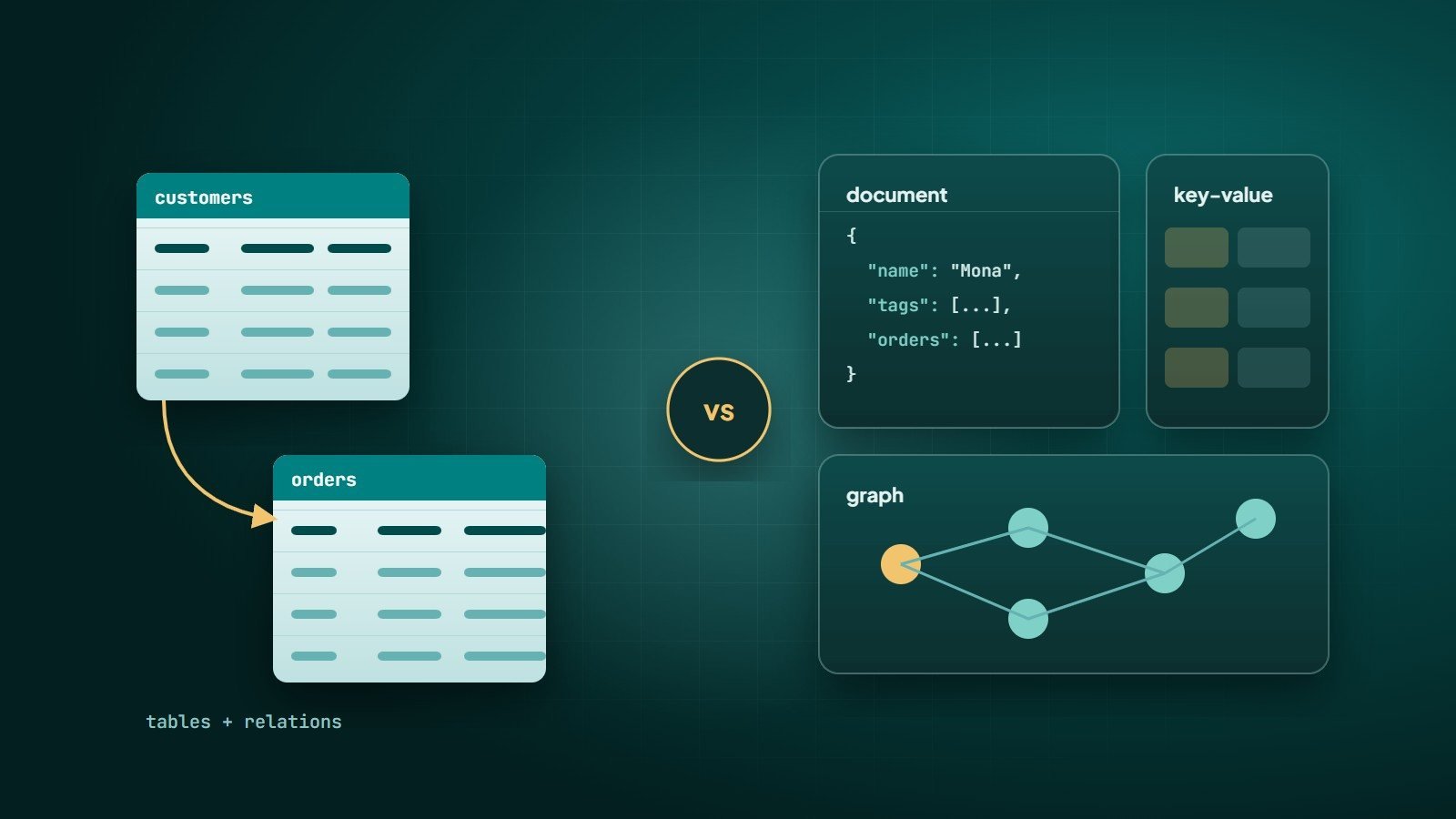
Relational databases store data in tables of rows and columns, with a defined schema. Tables are linked through keys — an orders table references a customers table — and data is queried with SQL.
Examples: PostgreSQL, MySQL, MariaDB, Microsoft SQL Server, Oracle, SQLite.
SELECT c.name, SUM(o.total) AS revenue
FROM customers c
JOIN orders o ON o.customer_id = c.id
WHERE o.created_at >= '2026-01-01'
GROUP BY c.name
ORDER BY revenue DESC;
Strengths:
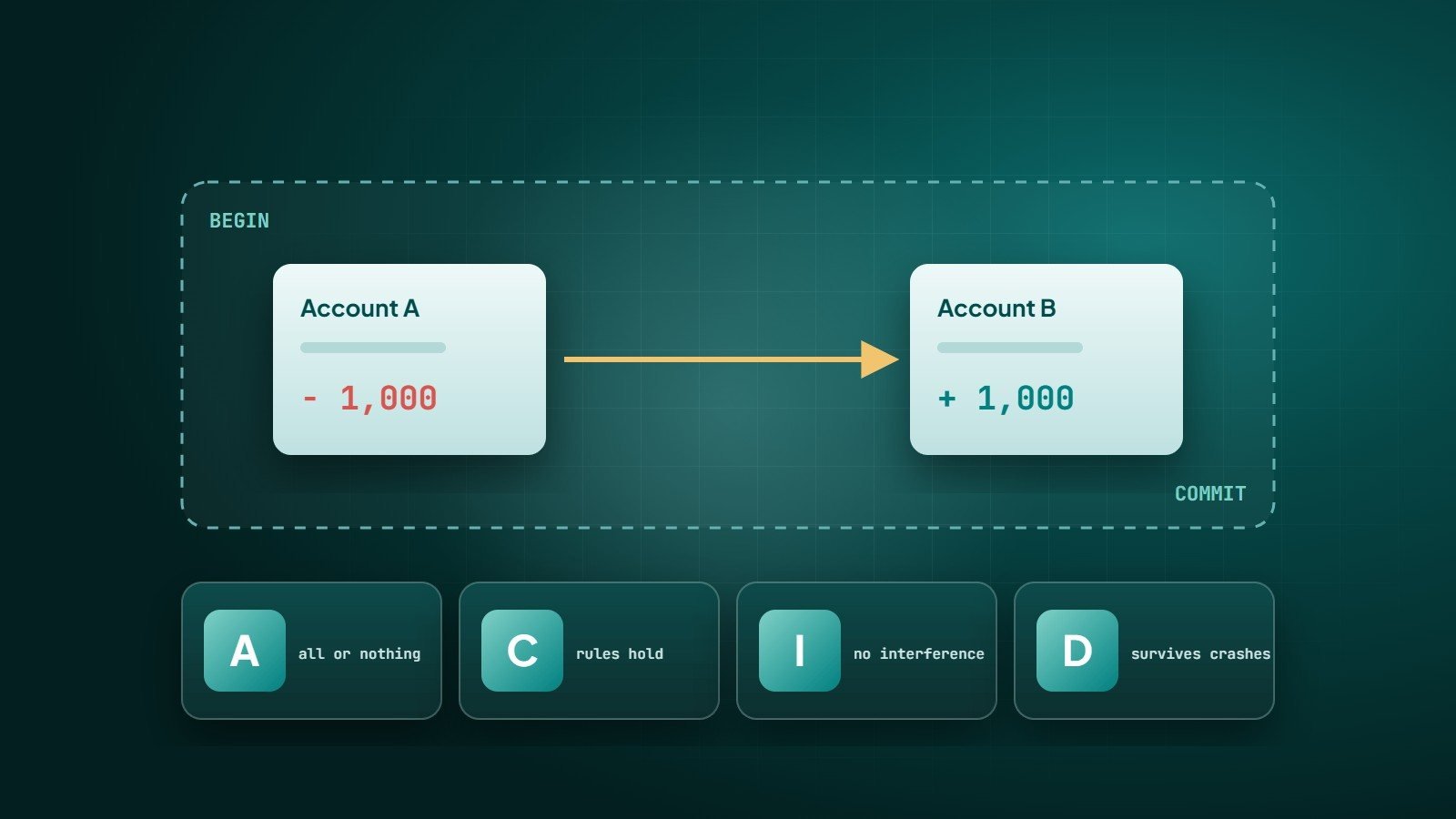
- ACID transactions — operations either fully succeed or fully fail, which protects money, stock and bookings. See ACID transactions explained.
- Data integrity — constraints, foreign keys and types stop invalid data at the door.
- Powerful, flexible queries — joins, aggregations and reporting across any combination of tables.
- Mature ecosystem — decades of tools, expertise and proven reliability.
NoSQL databases
"NoSQL" covers several different families, each optimised for particular access patterns:
| Type | Data model | Examples | Typical use |
|---|---|---|---|
| Document | JSON-like documents | MongoDB, Firestore, Couchbase | Content, catalogues, user profiles with varying fields |
| Key-value | A key mapped to a value | Redis, Amazon DynamoDB | Caching, sessions, counters, very fast lookups |
| Wide-column | Rows with flexible column families | Apache Cassandra, ScyllaDB | Huge write volumes, time-series, IoT |
| Graph | Nodes and relationships | Neo4j, Amazon Neptune | Social networks, recommendations, fraud detection |
Strengths: flexible or schema-less data, horizontal scaling across many servers built in, and very high performance for the access patterns they are designed for.
Key differences
| Relational (SQL) | NoSQL | |
|---|---|---|
| Schema | Defined up front, enforced | Flexible; often enforced in application code |
| Relationships | Joins across tables | Usually embedded or duplicated data (graph DBs excepted) |
| Transactions | Strong, multi-row ACID | Varies by product; many now support transactions with limits |
| Scaling | Mostly vertical, plus read replicas and partitioning | Designed for horizontal scaling |
| Querying | Standard SQL, ad-hoc queries | Product-specific APIs; best when queries are known in advance |
The lines are blurring
PostgreSQL and MySQL support JSON columns, so you can store flexible data inside a relational database. Several NoSQL databases now support multi-document transactions and SQL-like query languages. And "distributed SQL" databases offer relational features with horizontal scaling. The choice is less binary than it used to be.
How to choose
- Default to a relational database (PostgreSQL or MySQL) for most business applications: e-commerce, bookings, CRM, ERP, finance, SaaS products. Data is relational by nature, and integrity matters.
- Add specialised NoSQL where it fits: Redis for caching and sessions, a document store for highly variable content, a graph database for relationship-heavy queries, wide-column stores for massive write volumes.
- Choose NoSQL as the main database when your access patterns are simple and known, scale requirements are very large, or the data genuinely has no fixed structure.
Most successful systems are "polyglot": a relational database as the source of truth, with specialised stores beside it.
Key takeaways
- SQL databases offer structure, integrity, transactions and flexible querying.
- NoSQL is a family of models optimised for flexibility, scale or specific access patterns.
- For most business applications, start relational and add NoSQL tools for specific needs.
How Wintecsys can help
We design databases for web and mobile applications — choosing the right engines, modelling the data, and planning indexes, backups and growth from the start.